Soil
"Everything you'll grow starts with what's beneath your feet."
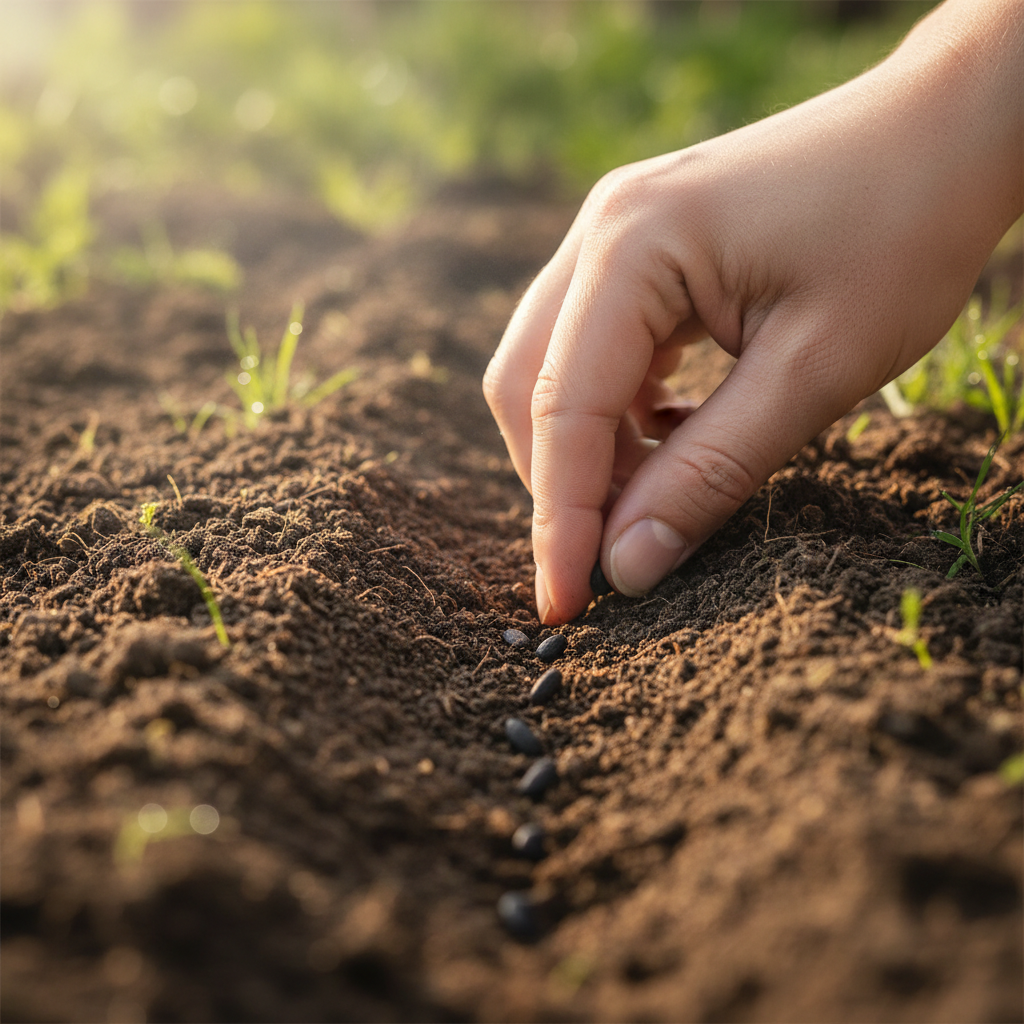
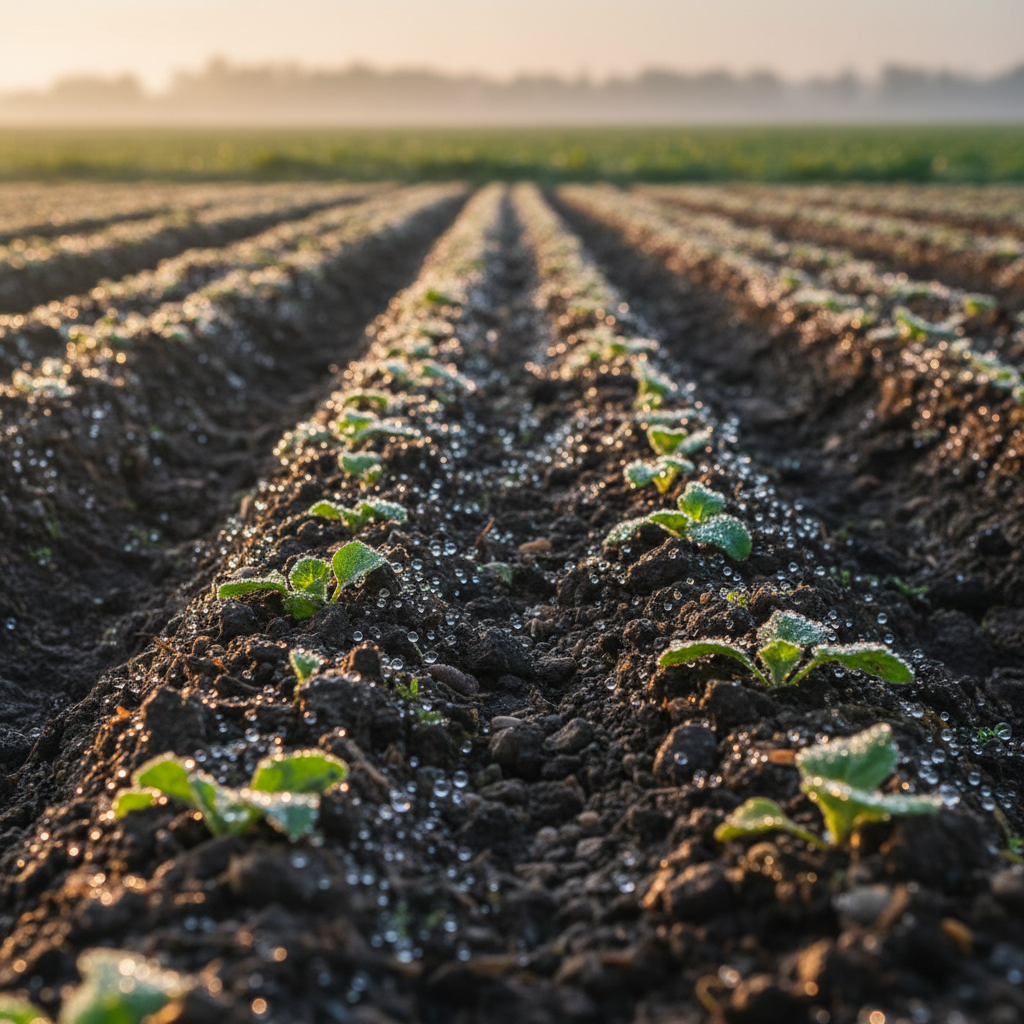
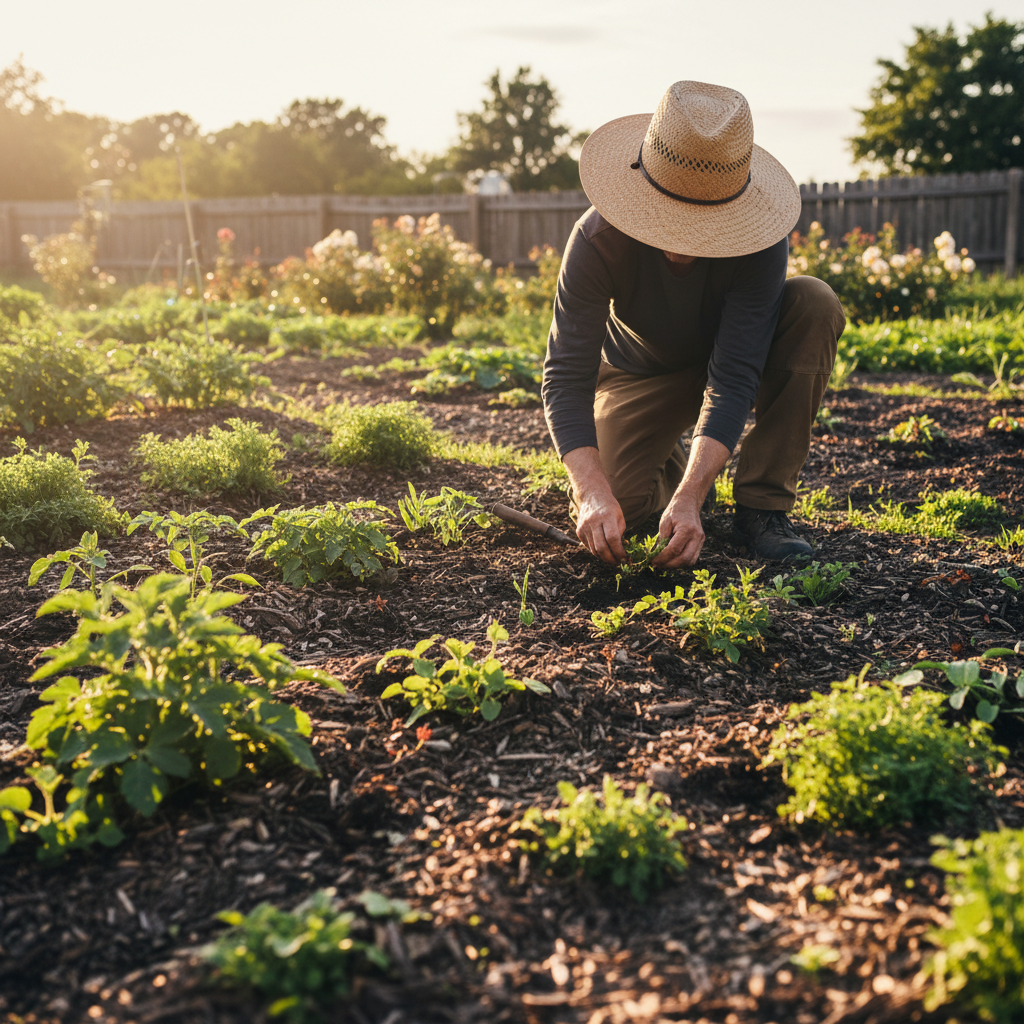
Six chapters. One season at a time.
Start With Soil — Free ChapterA curriculum built around the rhythm of seasons —
not a checklist, but a way of seeing.
Three kinds of people find their way here.
The First Half-Acre
You closed on a place with a yard. You have a shovel, some ambition, and a vague memory of your grandmother's tomatoes. You've read three Reddit threads about raised beds and still aren't sure where to sink a fence post.
Steading starts here — with soil tests, bed placement, and your first harvest by July.
The HOA Micro-Farm
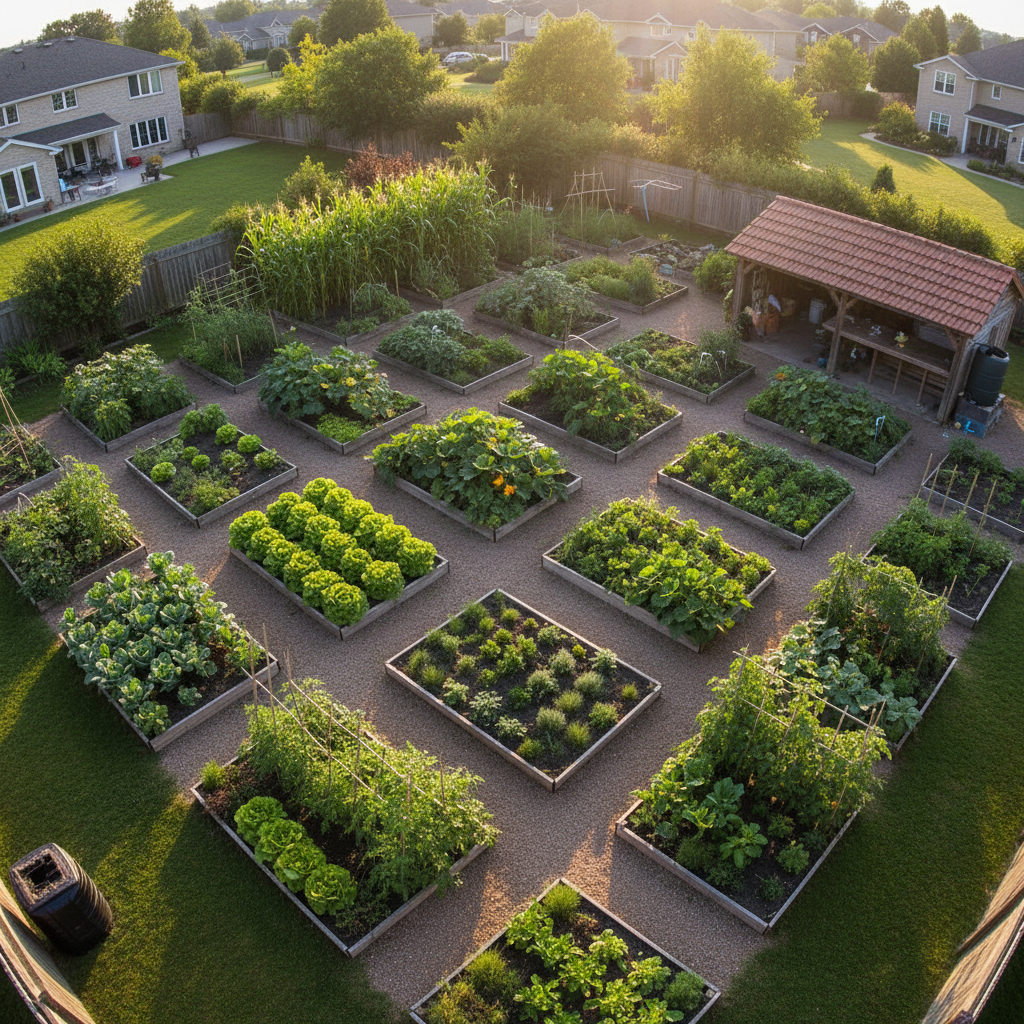
You have 800 square feet of grass the HOA calls a "lawn." You've been quietly replacing it with herbs, compact fruit trees, and a rain barrel you told the neighbors was decorative.
Learn to maximize every square foot — vertical growing, companion planting, season extension.
The Curious Parent
Your seven-year-old asked where eggs come from and you said "hens" before realizing you've never actually shown them one. You want your children to understand that food has a source, a season, and a story.
The Flocks and Pantry chapters are built for families — children learn alongside you.
Self-sufficiency is not survivalism. It is a quieter, more deliberate way of living.
Six chapters. One deliberate year.
Each chapter earns the next. Stakes deepen from your first tomato to feeding your family year-round.
Soil
The foundation of everything edible.
Before you plant a single seed, you need to understand what you're planting into. Healthy soil is a living system — billions of microorganisms, fungal networks, and organic matter working in concert. This chapter teaches you to read your soil, amend it deliberately, and build the foundation that makes every future harvest possible.
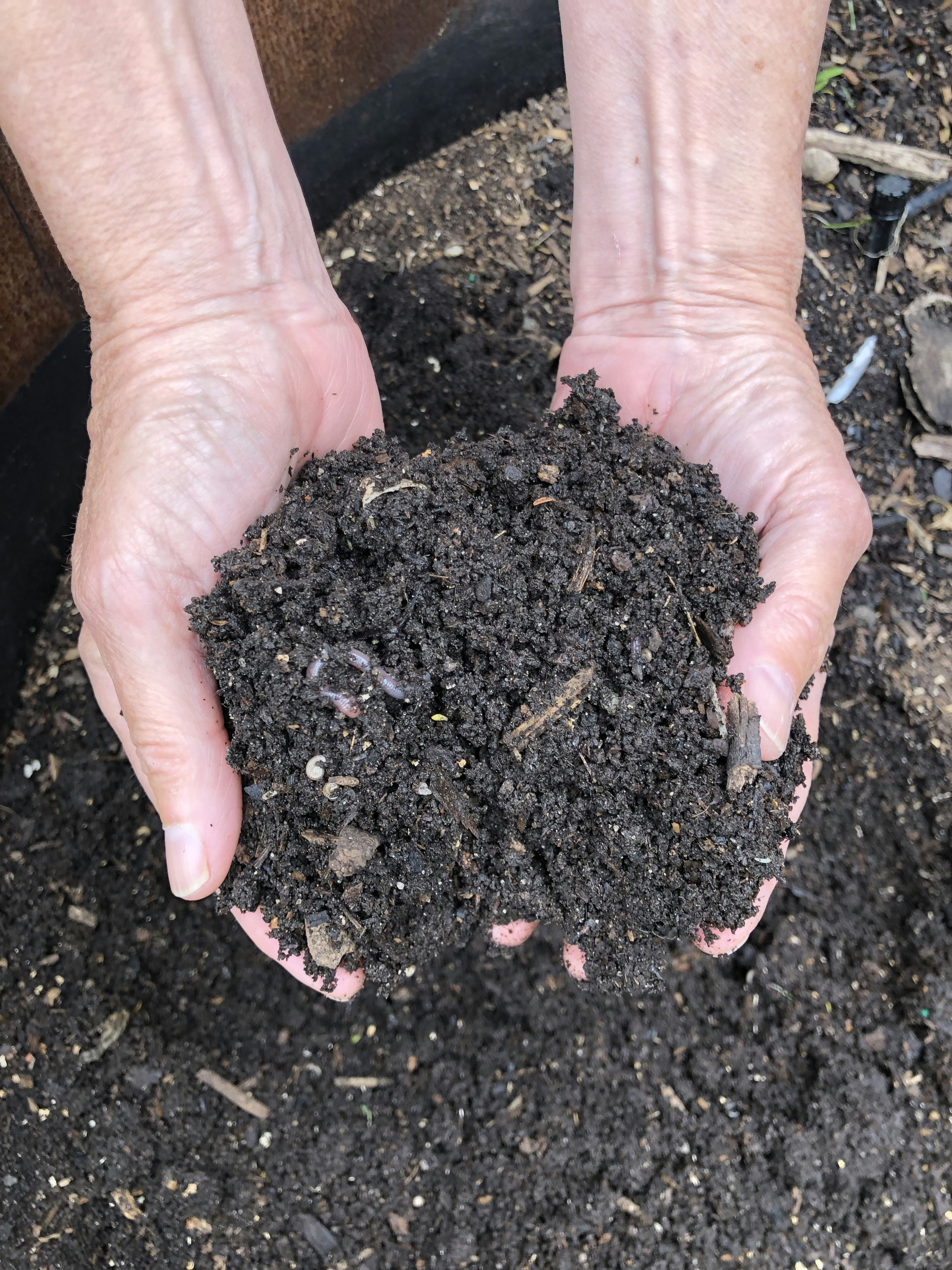
Reading a Soil Test
22 minInterpret pH, NPK ratios, and organic matter percentages. Know exactly what your plot needs before spending money on amendments.
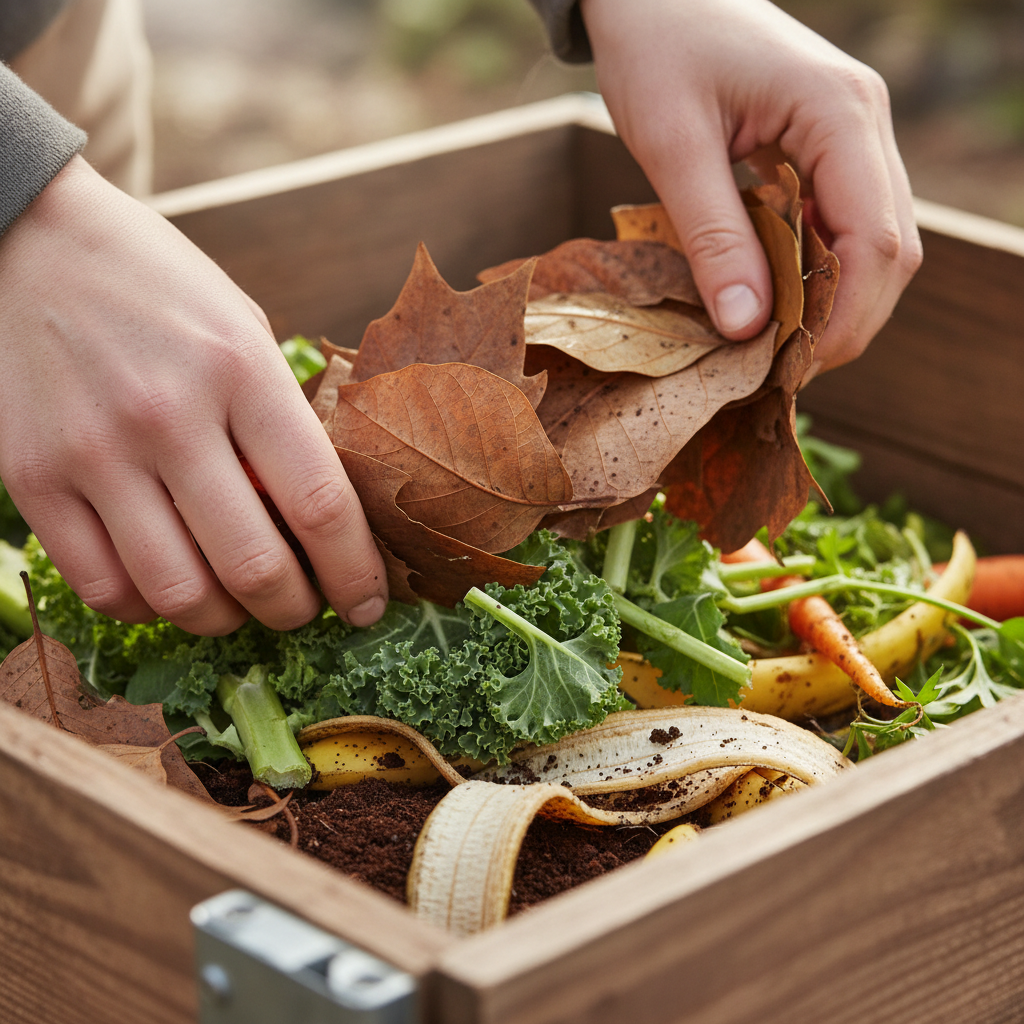
Building a Compost System
35 minHot compost, cold compost, worm bins — which method fits your space and timeline. Build a three-bin system from pallets in an afternoon.
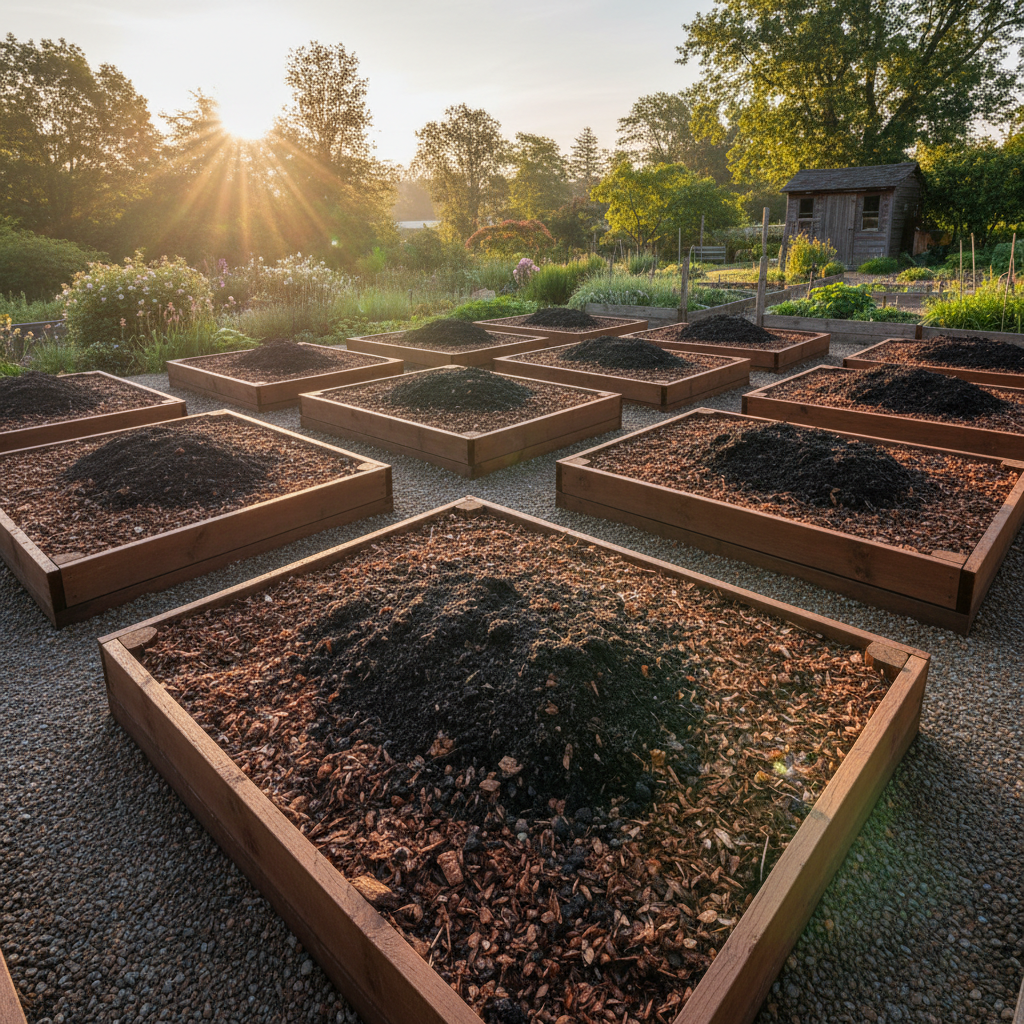
No-Till Bed Preparation
28 minSheet mulching, lasagna beds, and the case against disturbing your soil food web. Prepare new beds without breaking your back.
+ 6 more lessons in this chapter
Start With Soil — Free ChapterSeeds
From packet to plate — the full arc.
A seed catalog is a document of possibility. But knowing which 40 varieties to order from the 4,000 available — and when to start them, how deep, in what medium — is the difference between a thriving seedling room and a windowsill of leggy disappointments. This chapter builds your seed literacy from germination science to saving your own.
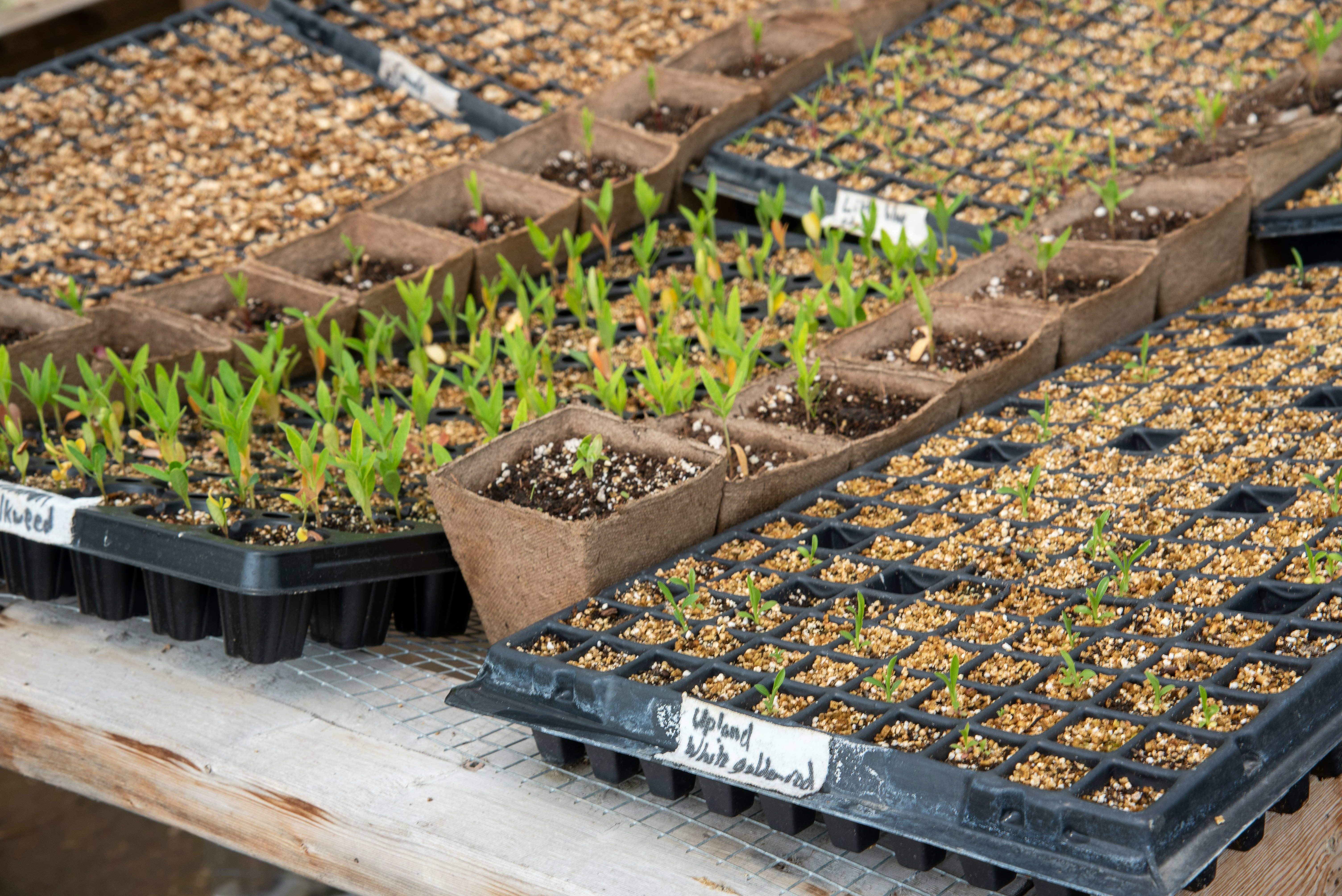
Seed Starting Indoors
30 minSoil-less mixes, bottom heat, supplemental lighting, and the critical window between germination and transplant shock.
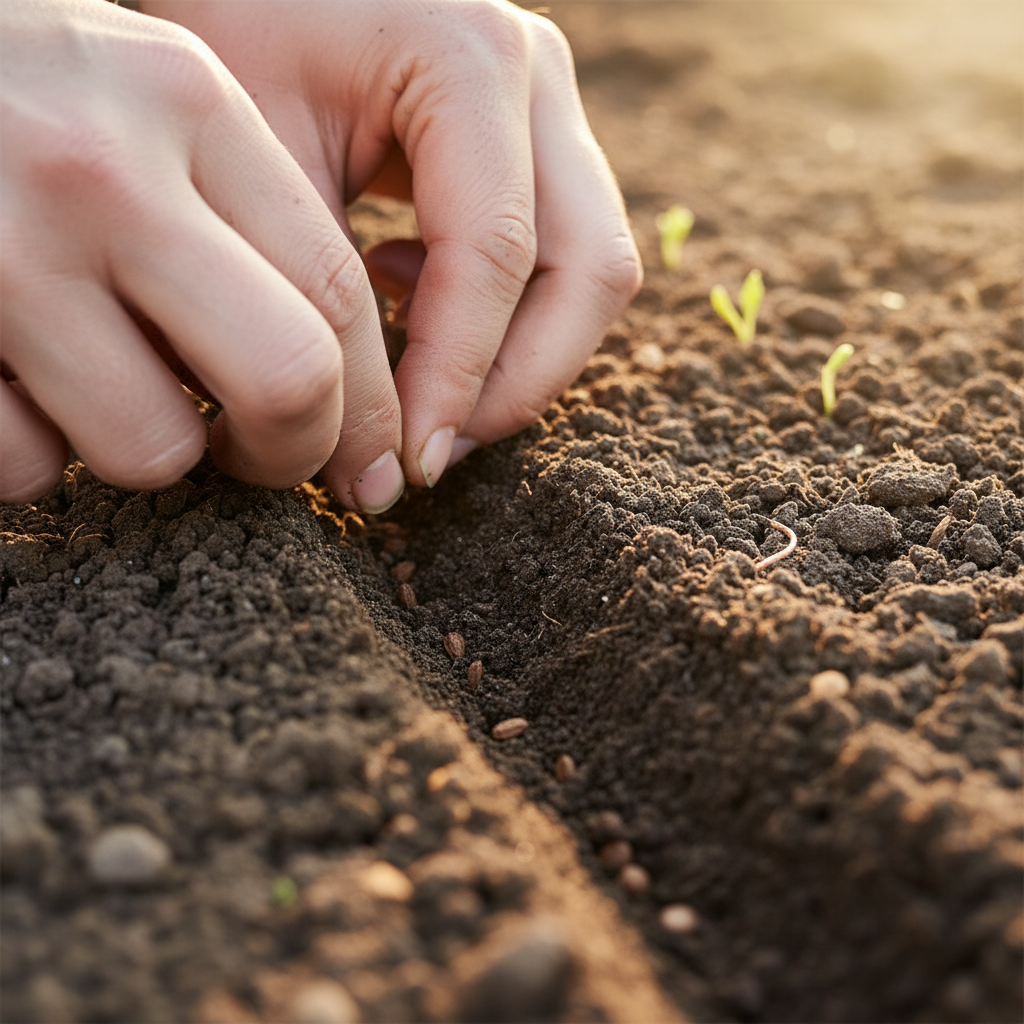
Direct Sowing by Season
25 minWhat goes in when the soil hits 40°F, 50°F, 60°F. A succession planting calendar that keeps beds productive from April through November.
Saving Seed from Open-Pollinated Varieties
40 minDry-process vs. ferment-process seeds, isolation distances for cucurbits, and building a seed library that outlasts any supply chain.
+ 7 more lessons in this chapter
Start With Soil — Free ChapterSeasons
The garden does not run on your schedule.
Most gardening failures happen because people plant on the calendar rather than the climate. Understanding your microclimate — frost dates, soil temperature curves, prevailing wind — turns guesswork into a reliable growing system. This chapter teaches you to extend your season at both ends and grow through the shoulder months that most gardeners abandon.
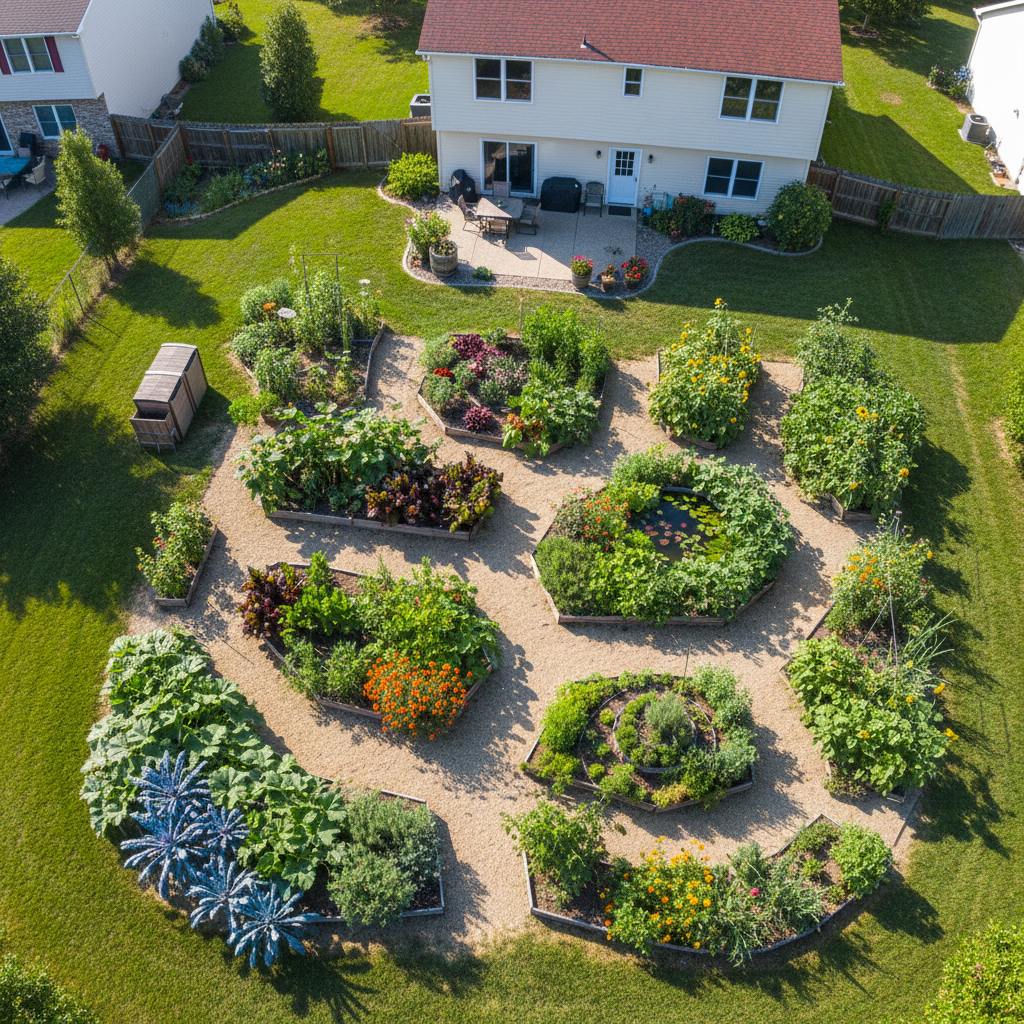
Mapping Your Microclimate
20 minFrost pocket identification, south-facing slope advantage, and how a six-inch elevation change can mean two extra weeks of growing season.
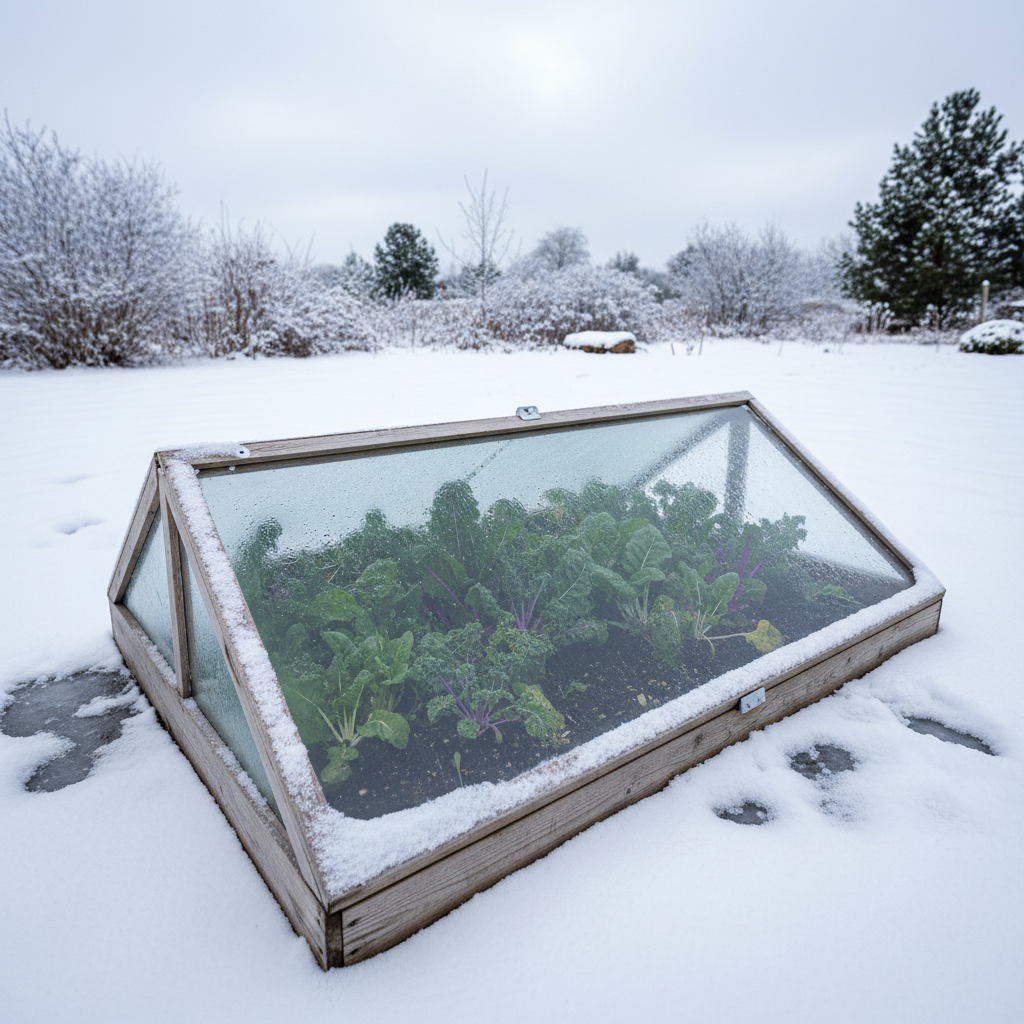
Cold Frames and Low Tunnels
32 minBuild a cold frame from salvaged windows. Install low tunnels in 20 minutes. Grow spinach and mache through December in USDA Zone 6.
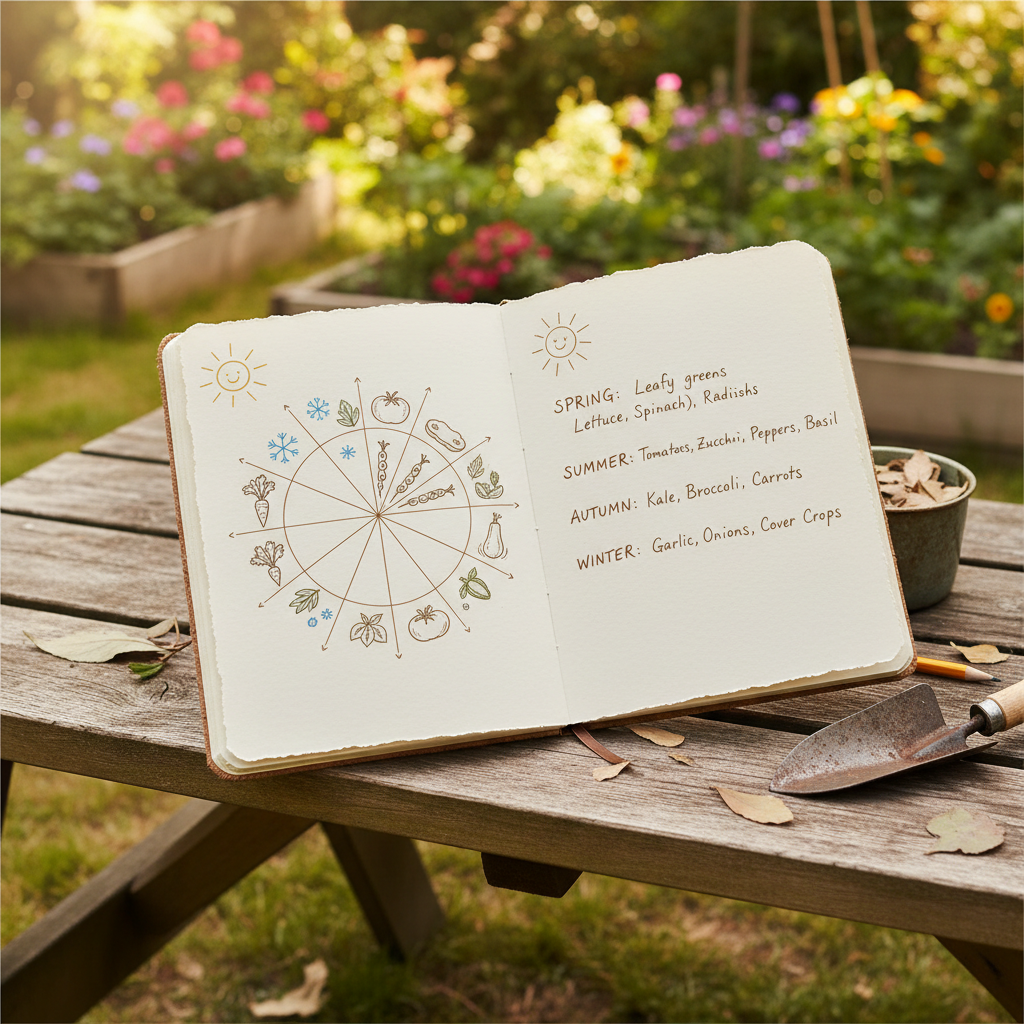
The Four-Season Harvest Plan
45 minA week-by-week planting and harvesting schedule calibrated to your last and first frost dates. Never have an empty garden bed again.
+ 8 more lessons in this chapter
Start With Soil — Free ChapterFlocks
Eggs from hens, not cartons.
Backyard chickens are legal in most municipalities, require less space than a parking spot, and produce eggs that taste nothing like what you buy. But the gap between "I want chickens" and "I have chickens" is mostly paperwork, planning, and a weekend of building. This chapter closes that gap — from municipal code research to your first morning egg collection.
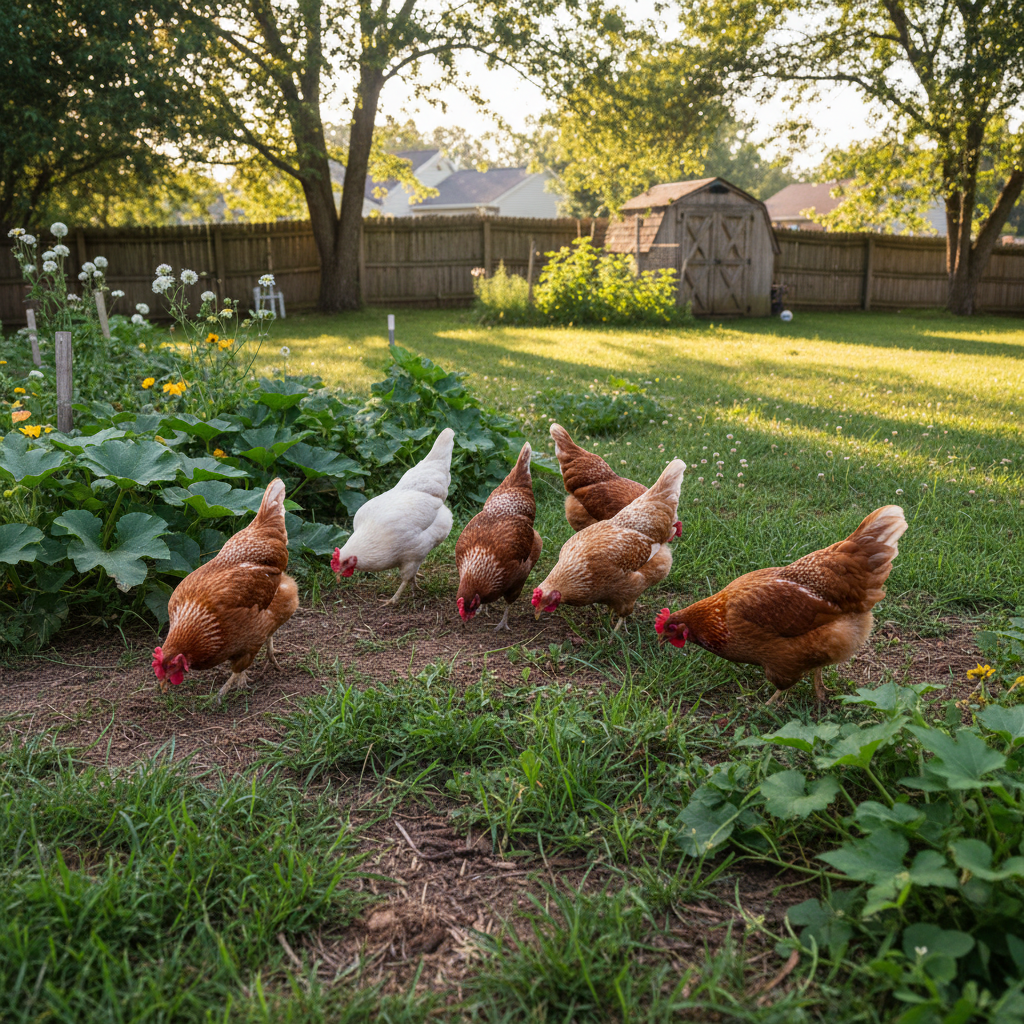
Choosing Your Flock
28 minHeritage breeds vs. production breeds. Cold-hardy vs. heat-tolerant. Dual-purpose birds for small flocks that want both eggs and meat.
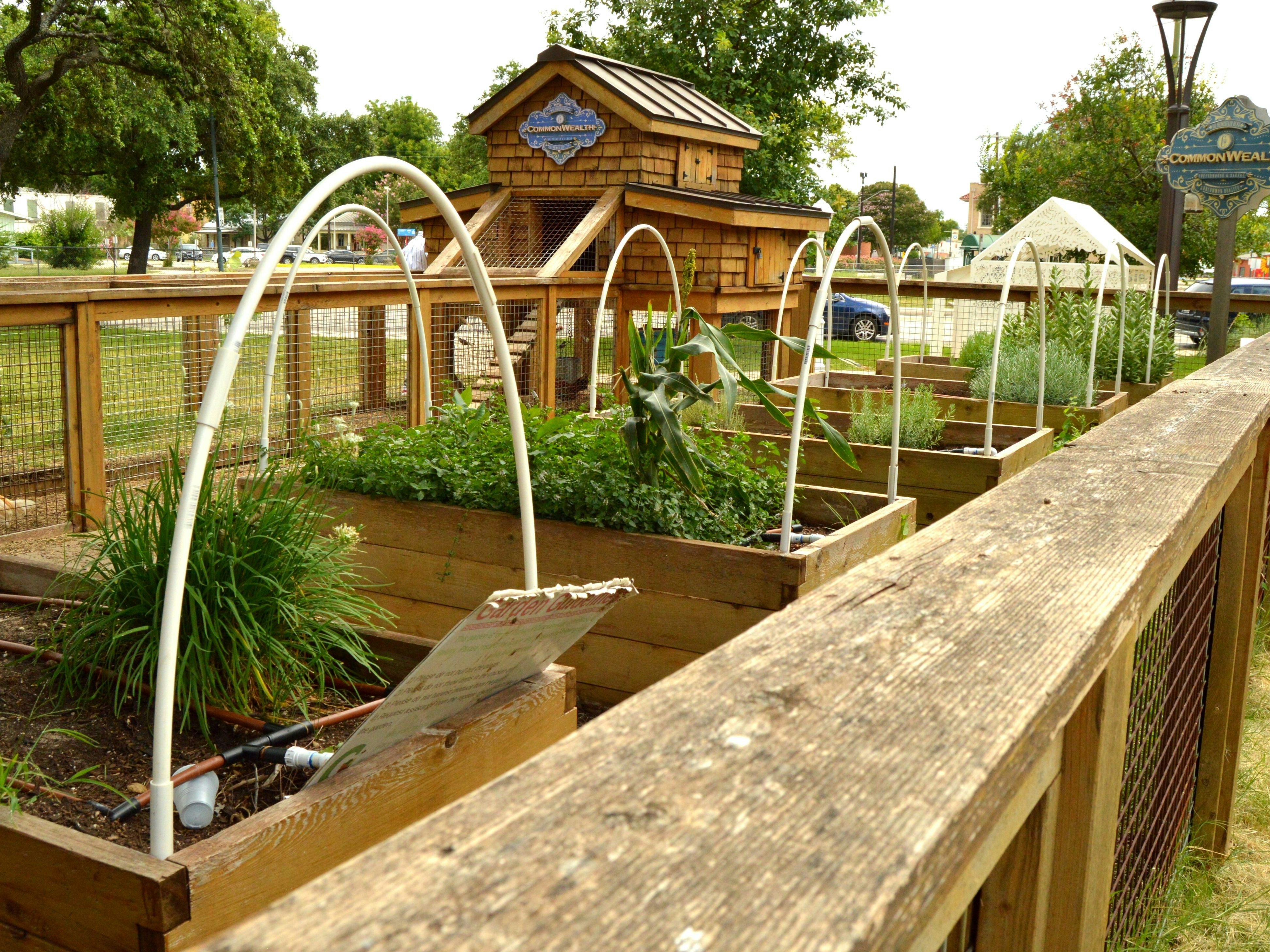
Coop Design for Small Yards
38 minThe 4 square feet per bird rule, predator-proofing without Fort Knox costs, and ventilation that prevents respiratory disease without drafts.
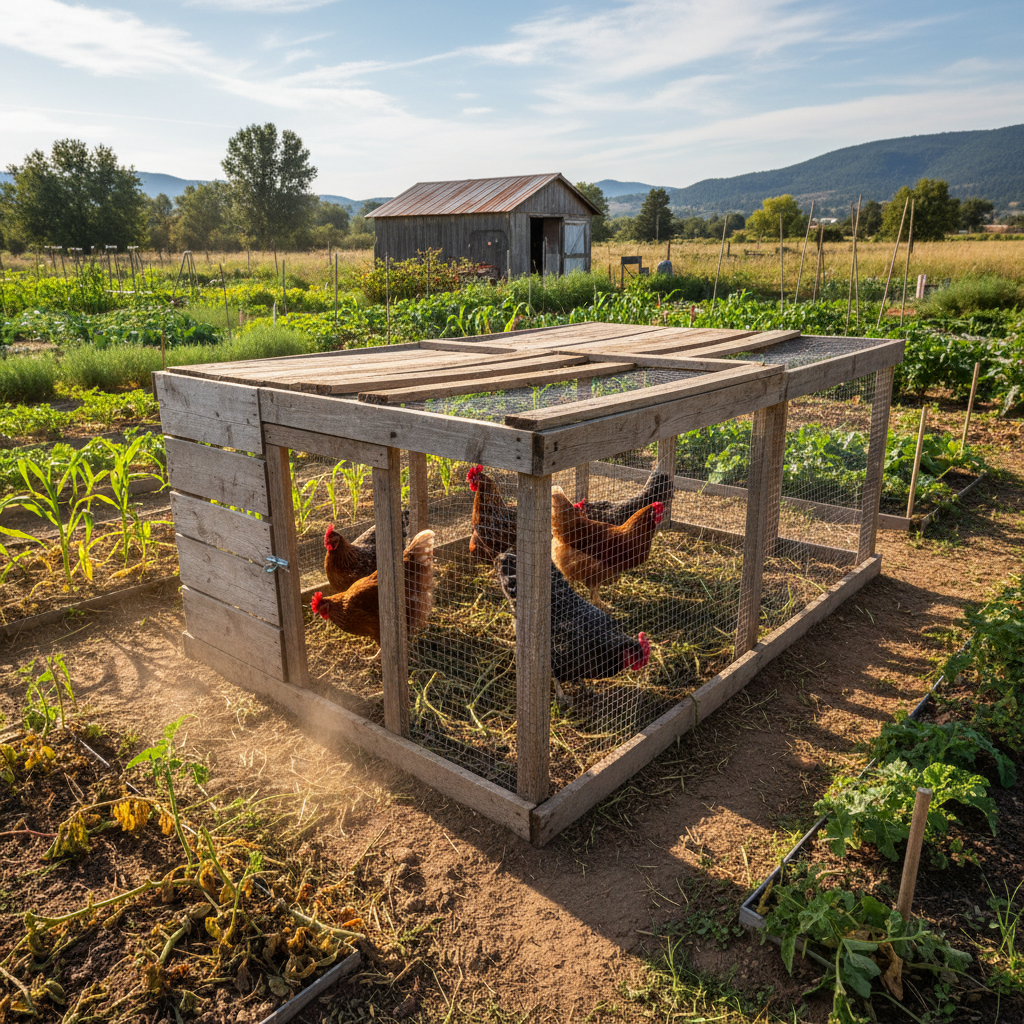
Integrating Chickens with Your Garden
25 minChicken tractors, seasonal rotation through garden beds, and how 6 hens can eliminate the need for synthetic fertilizer on 500 square feet.
+ 6 more lessons in this chapter
Start With Soil — Free ChapterPantry
The harvest doesn't end at the garden gate.
Growing food is only half the equation. The other half is knowing what to do with 40 pounds of tomatoes in August. Preservation — water bath canning, lacto-fermentation, dehydrating, root cellaring — is the skill that transforms a summer garden into a year-round pantry. This chapter teaches you to preserve what you grow without turning your kitchen into a laboratory.
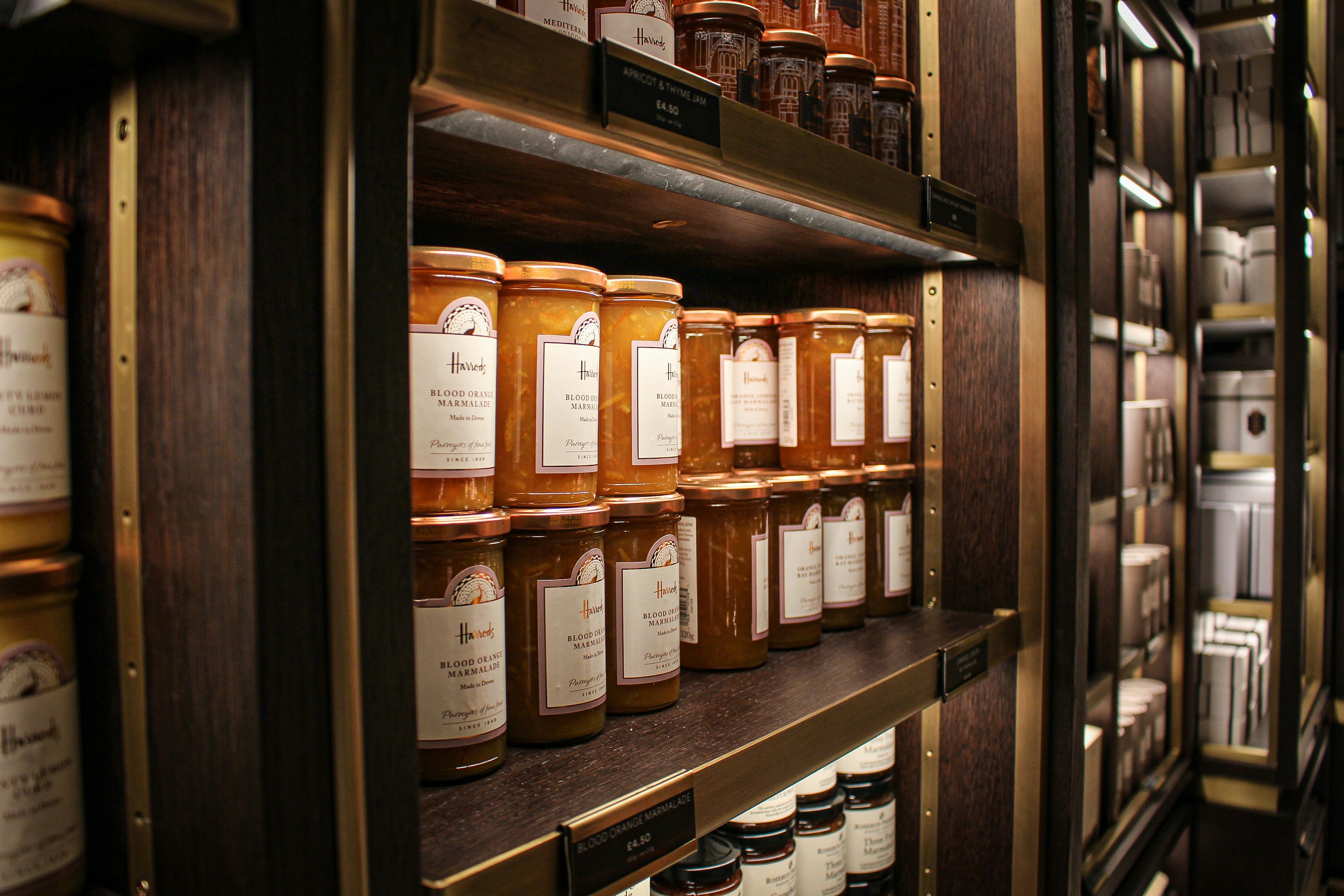
Water Bath Canning Fundamentals
50 minThe science of acidity and safe canning. Process tomatoes, jams, and pickles without fear. Build a canning pantry that feeds your family through February.
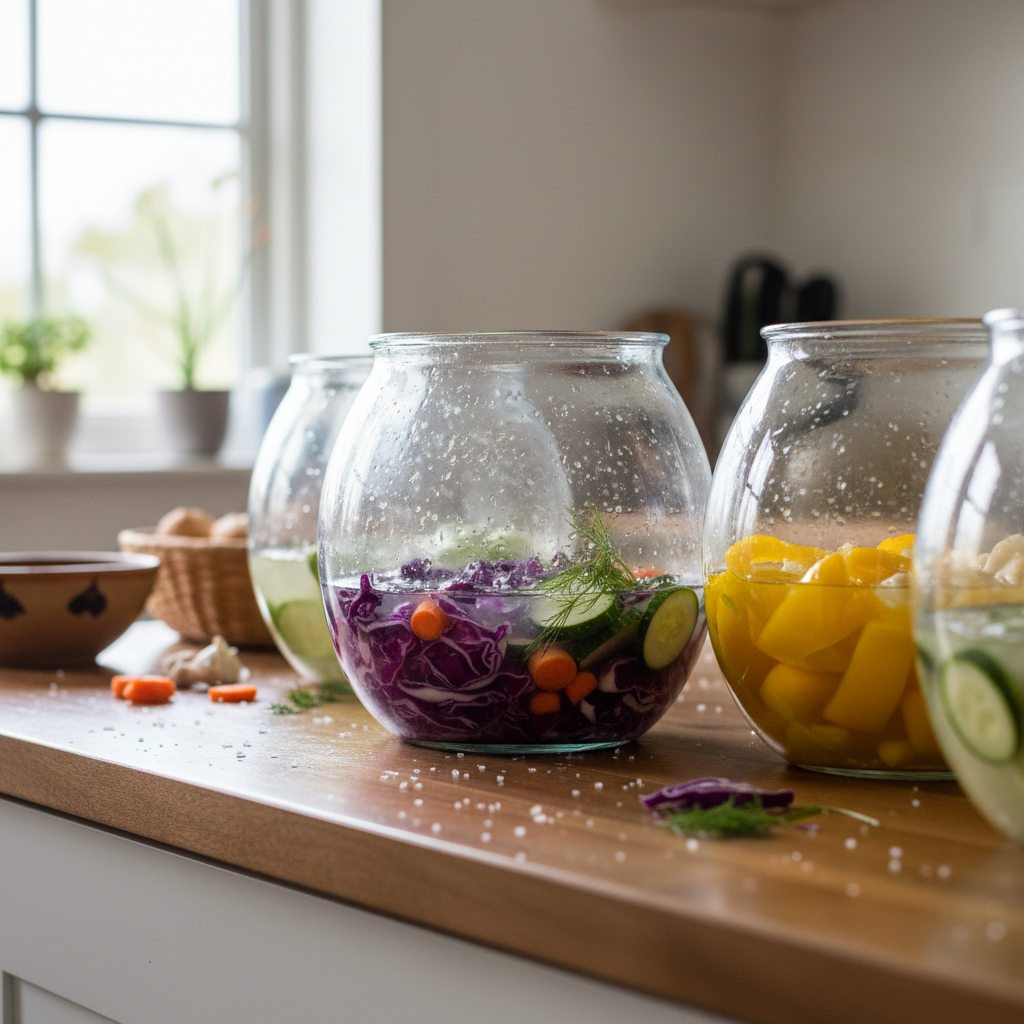
Lacto-Fermentation Without a Recipe
35 minUnderstand the salt-to-weight ratio principle and ferment anything — kraut, kimchi, hot sauce, fermented garlic — without ever consulting a recipe again.
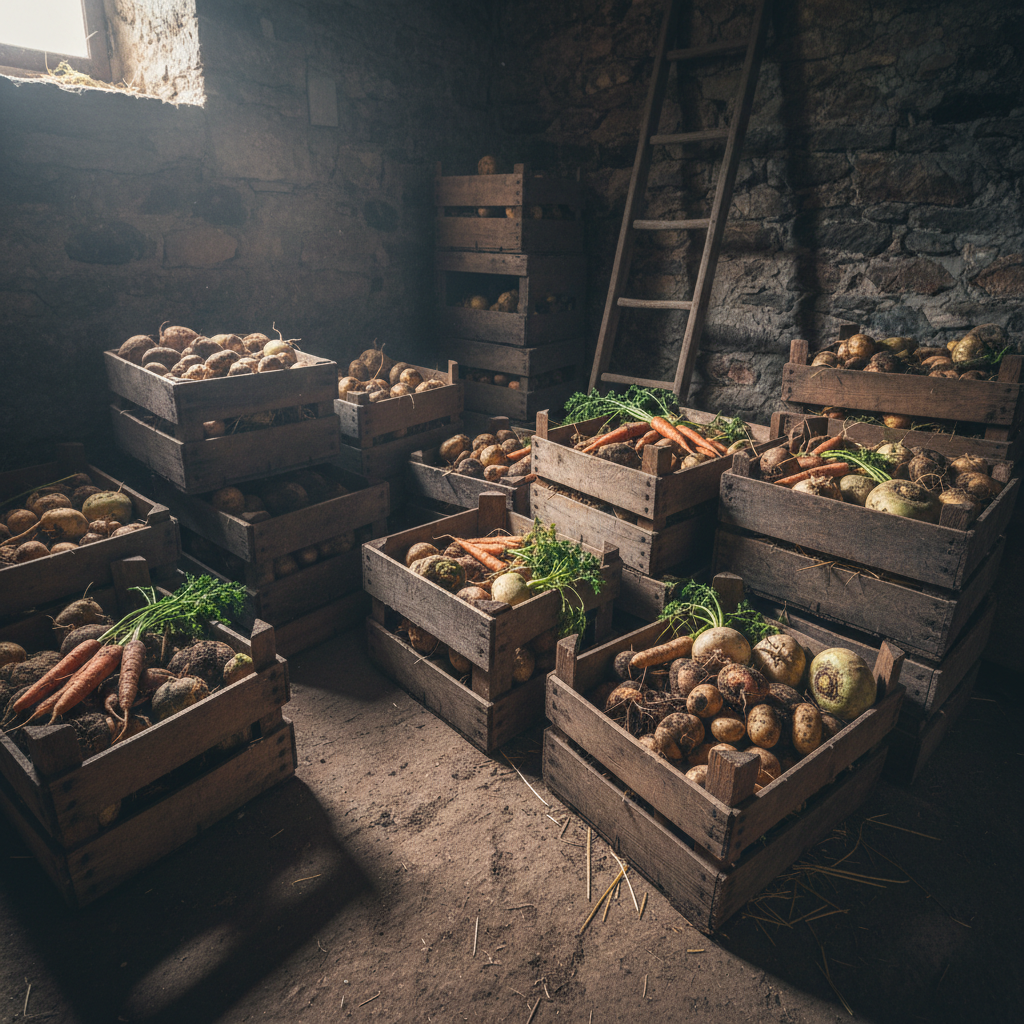
Root Cellaring Without a Root Cellar
22 minStore carrots, beets, potatoes, and winter squash in a basement corner, a buried cooler, or a garage shelf. No excavation required.
+ 8 more lessons in this chapter
Start With Soil — Free ChapterCommunity
No homestead is an island.
The most resilient food systems are built on relationships — seed swaps, labor exchanges, shared equipment, and the neighbor who takes your zucchini surplus and returns it as bread. This final chapter is about building the human infrastructure that makes self-sufficiency sustainable: finding your local growers, joining or starting a food cooperative, and connecting your practice to a larger story.
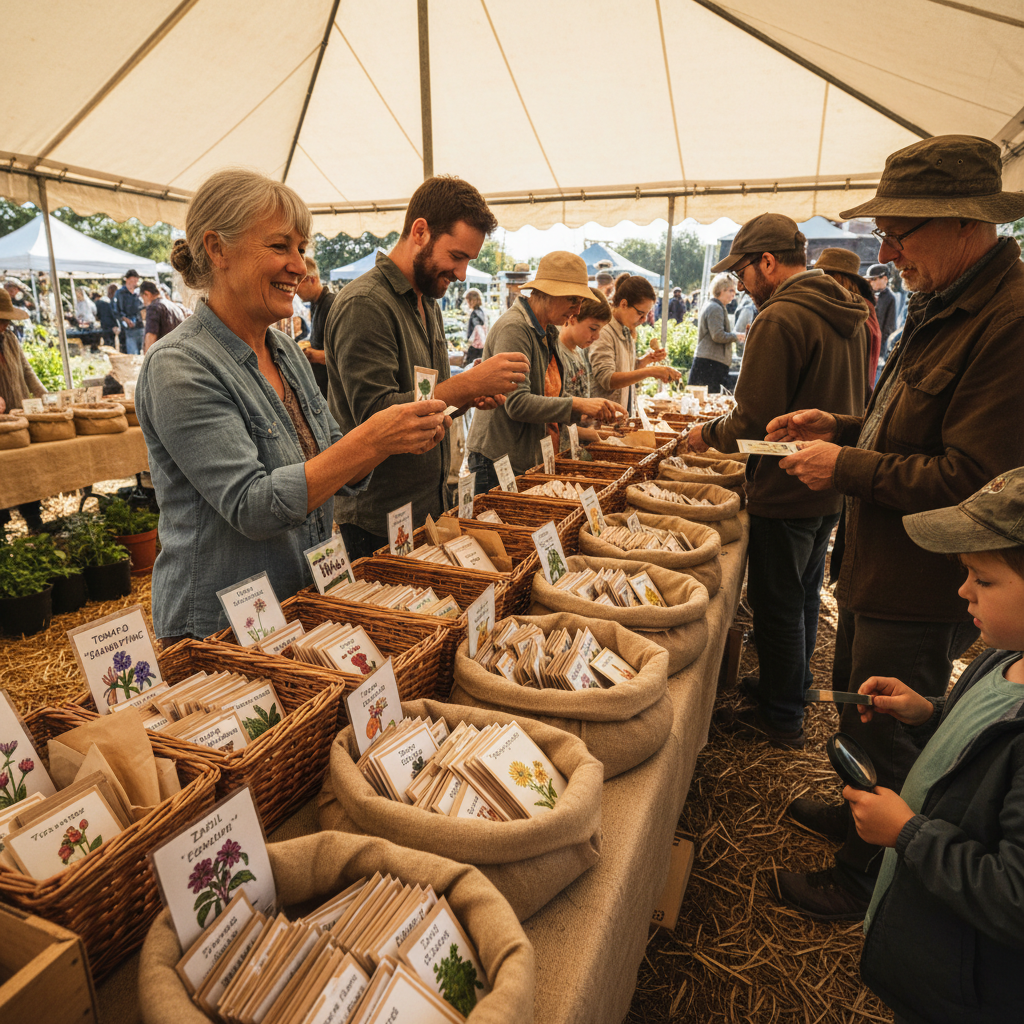
The Neighborhood Seed Library
20 minStart a seed swap with five households. Coordinate plantings so no one grows the same 12 tomato varieties and everyone has access to 60.
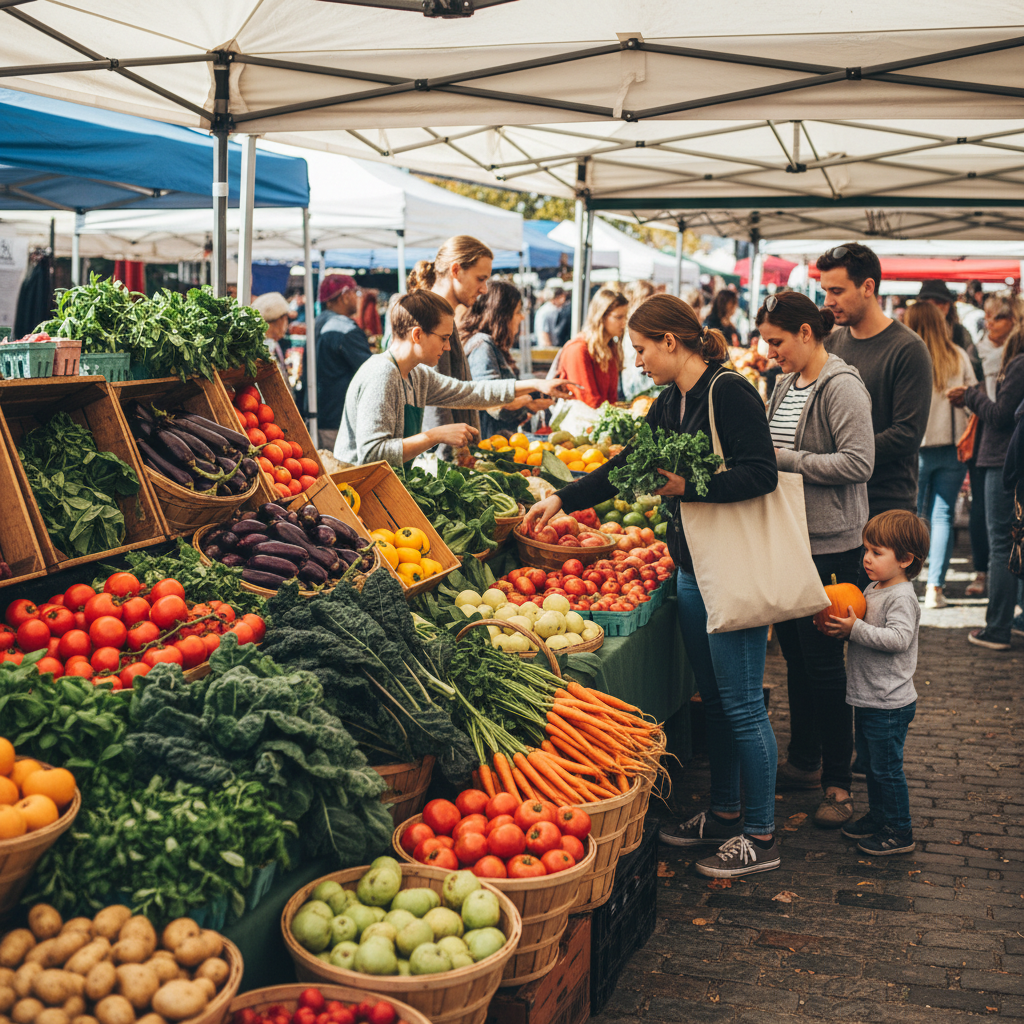
Finding Your Local Food Web
18 minCSA memberships, farmers market relationships, gleaning networks, and food co-ops — the infrastructure that fills the gaps your garden can't.
Teaching the Next Season
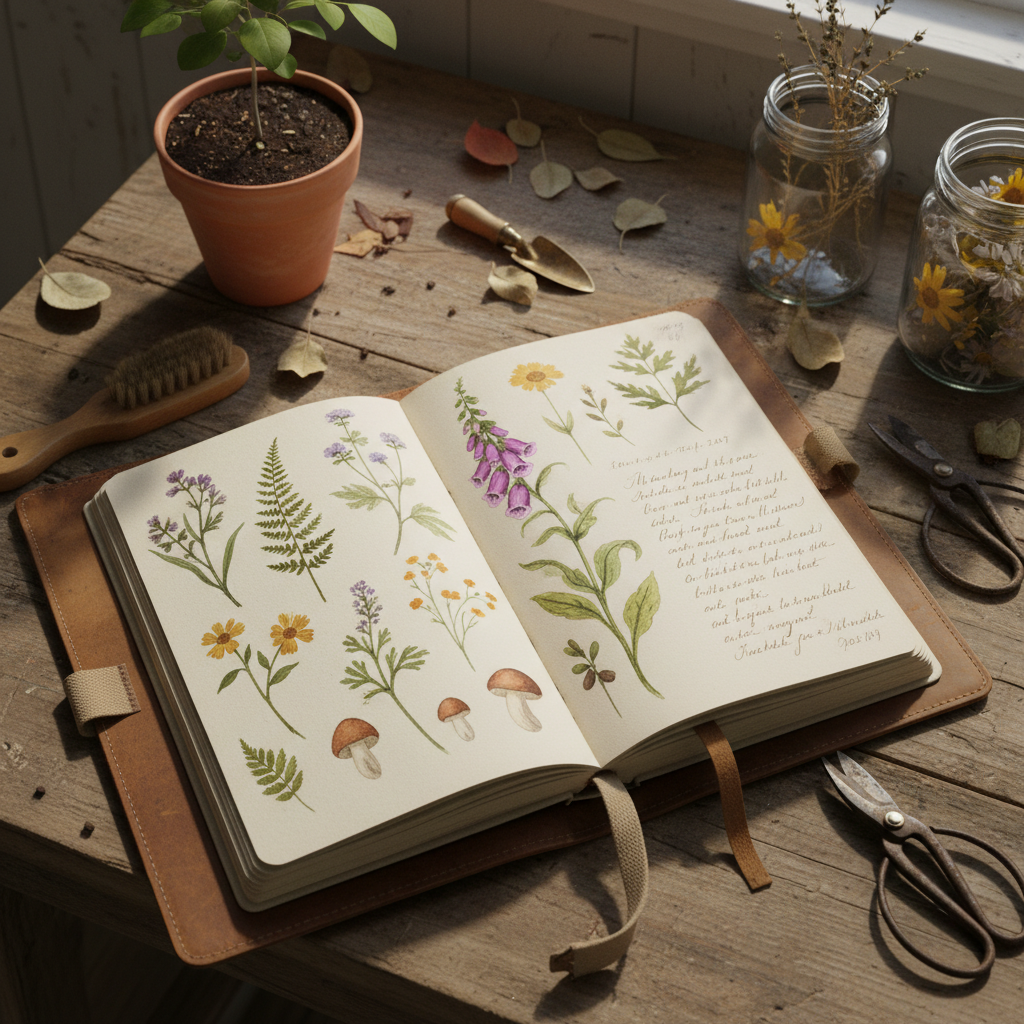
25 minHow to document your garden year — what worked, what failed, what the soil taught you — and pass that knowledge forward.
+ 8 more lessons in this chapter
Start With Soil — Free ChapterWhat changes when you learn this way.
Steading is built on a single conviction: the skills your grandparents knew are not lost — they're just untaught. Every lesson is a transfer of that knowledge, as direct and practical as sitting across a kitchen table from someone who's done it a thousand times.
Grocery store dependency
→ 40% of vegetables grown at home by month six
August tomato surplus composted
→ Pantry shelf holds 60 jars through February
Buying eggs at $7/dozen
→ Six hens producing 4–5 eggs daily by spring
One growing season: May–September
→ Three-season harvest with cold frames and succession planting
Seasonal Intelligence
The curriculum is organized by how nature actually works — not by category. You learn soil before seeds, seeds before seasons, because that is the correct order.
Real Knowledge, Not Inspiration
Every lesson delivers something actionable. A soil test you can order, a bed you can build this weekend, a ferment you can start today. No mood boards.
Designed for Half-Acres
Not a farm. Not a homestead in the classic sense. A deliberate suburban plot where every square foot is considered and productive.
What the garden taught them.
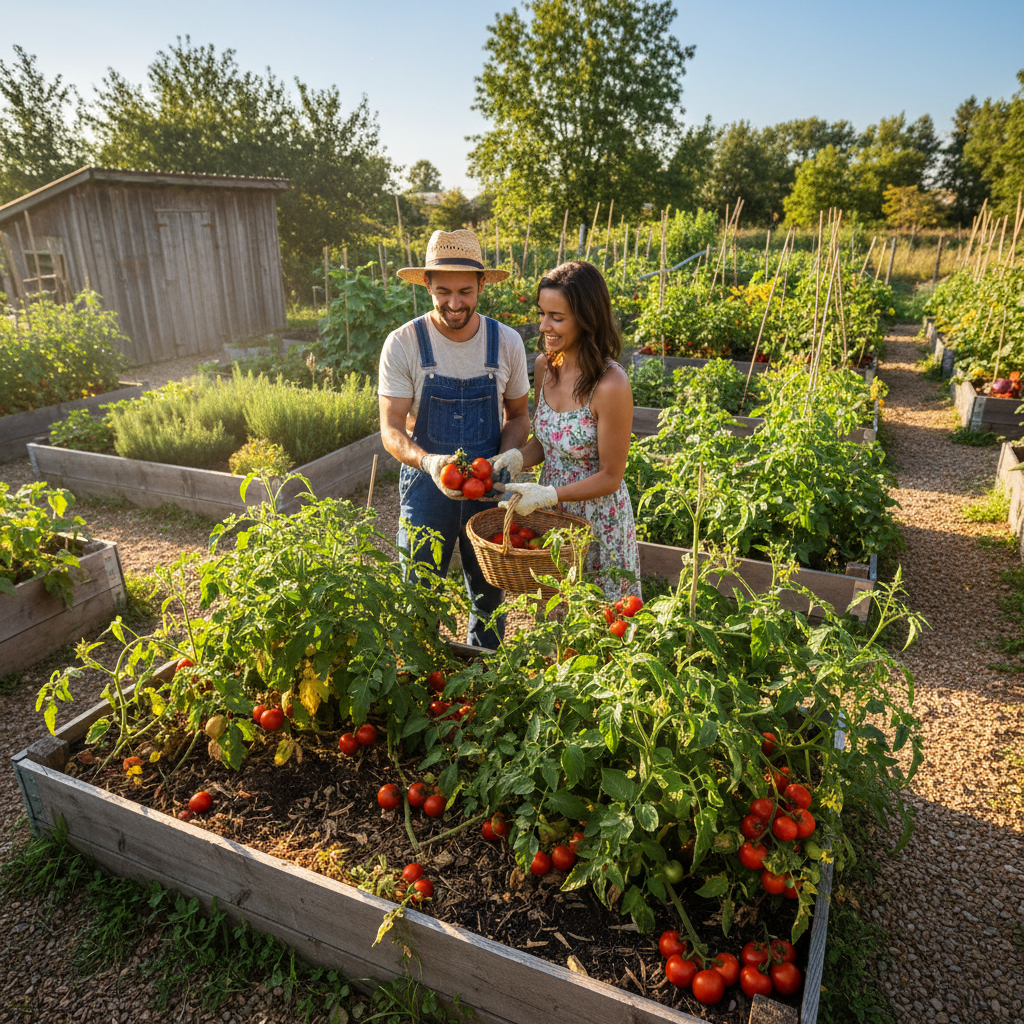
"I didn't realize I was afraid of my soil until I took the first lesson. Now I know exactly what my beds need and why. We grew 70% of our vegetables last summer on a city lot in Denver."
First harvest: 47 lbs of tomatoes, August
Mara & Tom Okonkwo
Denver, Colorado · 0.3 acres
The first chapter is free.
The rest follows naturally.
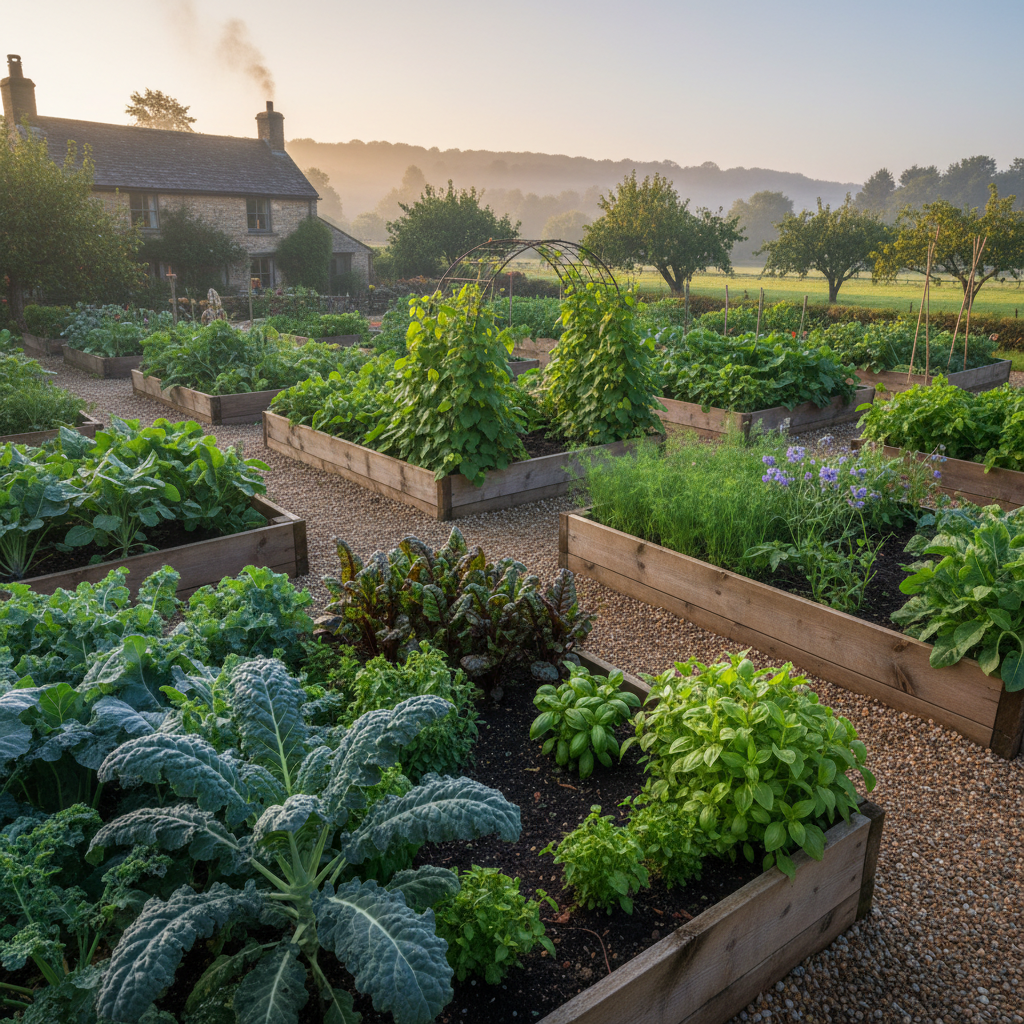
Soil is where every garden begins. It's also where most gardeners fail — not from lack of effort, but from lack of knowledge. Start there. We'll give you the full chapter, no form, no friction. One click.
No account required · Opens immediately · Email asked only if you continue
6
Chapters
48
Lessons
12+
Hours of Curriculum
Self-Paced
Learn by Season